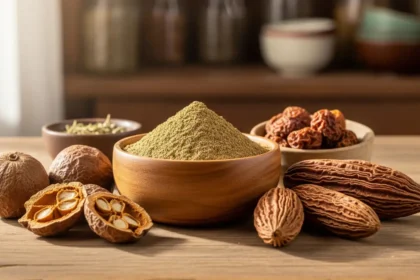

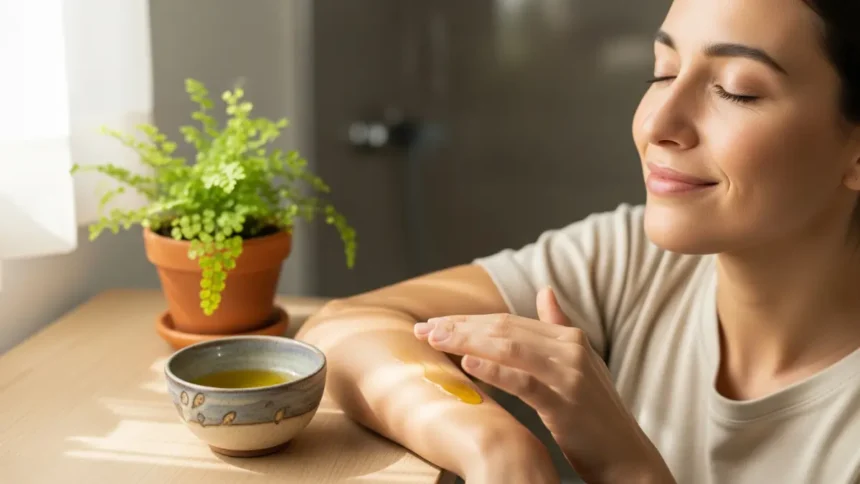
When your skin feels like a battleground of itching, redness, and dryness, ancient Ayurvedic wisdom offers gentle yet powerful solutions that work with your body’s natural healing intelligence rather than simply masking the symptoms that leave you frustrated and uncomfortable.
Eczema and chronic dry skin affect millions of people worldwide, yet conventional treatments often provide only temporary relief while potentially creating dependency or side effects. Ayurvedic medicine understands these skin conditions as manifestations of deeper imbalances within your body’s fundamental energies, particularly involving disrupted Vata and Pitta doshas combined with accumulated Ama (toxins) and weakened Ojas (vital immunity). This comprehensive approach addresses not just the visible symptoms but the root causes that keep skin conditions recurring.
Understanding Eczema Through Ayurvedic Eyes
In Ayurvedic understanding, eczema (known as Vicharchika) represents a complex interplay between Vata and Pitta imbalances combined with compromised digestive fire (Agni) that creates toxic accumulations in your blood and tissues. This explains why eczema often fluctuates with stress, dietary changes, and seasonal transitions—these factors directly influence your doshic balance and digestive strength.
Vata-dominant eczema typically presents as dry, rough, scaly patches that worsen in cold, windy weather. The skin feels tight and may crack or bleed, with intense itching that worsens at night. You might also experience accompanying Vata symptoms like anxiety, restlessness, and digestive irregularity.
Pitta-dominant eczema appears as red, inflamed, burning lesions that may weep or form crusts. This type often worsens in hot weather, with stress, or after consuming spicy, acidic foods. The burning sensation can be intense, and you might notice increased irritability or anger during flare-ups.
Mixed Vata-Pitta eczema combines both patterns, with areas of dry, scaly skin alongside inflamed, burning patches. This is often the most challenging type to treat and typically indicates deeper constitutional imbalances that require comprehensive healing approaches.
The Foundation: Strengthening Digestive Fire and Eliminating Toxins
Before addressing external symptoms, Ayurveda emphasizes healing from within by strengthening Agni (digestive fire) and eliminating Ama (accumulated toxins) that contribute to skin inflammation. Weak digestion creates unprocessed food particles that enter the bloodstream and eventually manifest as skin eruptions and sensitivity.
Digestive healing protocol begins with incorporating warming spices that enhance Agni without overstimulating Pitta. Cumin, coriander, and fennel form a gentle digestive tea that can be sipped throughout the day. Simmer 1 teaspoon each of these seeds in 3 cups of water for 10 minutes, strain, and drink warm.
Triphala, the three-fruit digestive tonic, supports both detoxification and tissue nourishment. Unlike harsh detoxifiers, Triphala gently eliminates toxins while strengthening digestive function. Take ½ teaspoon in warm water before bed to support overnight cleansing and morning elimination.
Powerful Herbal Allies for Skin Healing
Neem: The Supreme Skin Purifier
Neem (Azadirachta indica) stands as Ayurveda’s premier herb for skin conditions, combining powerful antimicrobial, anti-inflammatory, and blood-purifying properties. Its bitter taste specifically targets Pitta imbalance while its cooling energy soothes inflammation and prevents secondary infections that often complicate eczema.
Internal use: Neem leaf powder (¼ teaspoon) mixed with honey, taken twice daily, helps purify blood and reduce systemic inflammation. Start with small amounts as neem is quite potent and can cause nausea if taken in excess.
External application: Fresh neem leaf paste mixed with turmeric creates a powerful healing mask. Blend fresh neem leaves with a small amount of water, add ½ teaspoon turmeric powder, and apply to affected areas for 15-20 minutes before washing with cool water.
Turmeric: The Golden Anti-Inflammatory
Turmeric (Curcuma longa) contains curcumin, one of nature’s most powerful anti-inflammatory compounds. For eczema, turmeric works both internally to reduce systemic inflammation and externally to heal damaged skin tissues while preventing bacterial infections.
Enhanced turmeric paste: Mix 2 tablespoons turmeric powder with 1 tablespoon coconut oil and 1 teaspoon honey. Apply to affected areas and leave for 20 minutes before gently washing off. The coconut oil enhances absorption while honey provides additional antimicrobial benefits.
Internal support: Golden milk made with ½ teaspoon turmeric, a pinch of black pepper, and warm coconut milk helps reduce inflammation from within. Drink this nourishing blend before bed to support overnight healing.
Manjistha: The Blood Purifier
Manjistha (Rubia cordifolia) specifically targets blood-borne toxins that contribute to chronic skin conditions. This deep red root has been used for thousands of years to clear heat from the blood while supporting healthy circulation and lymphatic drainage.
Preparation: Manjistha powder (½ teaspoon) can be taken with warm water twice daily, or combined with other blood-purifying herbs like neem and turmeric for enhanced effectiveness.
Soothing Topical Treatments
| Skin Condition | Primary Treatment | Supporting Ingredients | Application |
|---|---|---|---|
| Dry, Scaly Eczema | Coconut oil with turmeric | Aloe vera, sesame oil | 2-3 times daily |
| Inflamed, Red Eczema | Aloe vera gel | Sandalwood powder, rose water | As needed for cooling |
| Weeping Eczema | Neem leaf paste | Turmeric, honey | Once daily, 15 minutes |
| Chronic Dry Skin | Sesame oil massage | Ashwagandha powder | Evening, before bath |
Coconut Oil: Nature’s Moisturizer
Virgin coconut oil provides immediate relief for dry, cracked skin while offering antimicrobial protection against secondary infections. Its medium-chain fatty acids, particularly lauric acid, penetrate deeply into skin tissues while creating a protective barrier that prevents moisture loss.
Enhanced healing oil: Warm coconut oil gently and add a pinch of turmeric powder. Massage this mixture into affected areas twice daily, allowing the oil to penetrate for at least 30 minutes before bathing with lukewarm water.
Aloe Vera: The Cooling Healer
Fresh aloe vera gel provides instant cooling relief for inflamed, burning eczema while supporting tissue regeneration. The plant’s natural anti-inflammatory compounds help reduce redness and swelling while creating a protective film over damaged skin.
Preparation: Extract fresh gel from aloe leaves and apply directly to inflamed areas. For enhanced effectiveness, mix aloe gel with a small amount of sandalwood powder to create a cooling paste that can be left on the skin for extended periods.
Lifestyle Practices for Skin Health
Stress Management and Sleep
Chronic stress significantly worsens eczema by disrupting both Vata and Pitta doshas while weakening digestive fire. Pranayama (breathing practices) particularly help regulate the nervous system and reduce stress-induced flare-ups.
Nadi Shodhana (alternate nostril breathing) practiced for 10-15 minutes daily helps balance both Vata and Pitta while calming the nervous system. This simple technique can significantly reduce the frequency and intensity of stress-triggered eczema episodes.
Quality sleep is crucial for skin repair and immune function. Establish a consistent bedtime routine that includes gentle oil massage, avoiding screens for at least one hour before bed, and creating a cool, dark sleeping environment.
Dietary Guidelines for Skin Healing
Foods to embrace include cooling, easy-to-digest options that support both skin health and digestive function. Coconut water, cucumber, leafy greens, and sweet fruits provide hydration and nutrients without aggravating Pitta dosha.
Warm, cooked foods are generally better tolerated than raw foods during eczema flare-ups, as they require less digestive energy and create less Ama. Include ghee (clarified butter) in your diet to provide essential fatty acids that support skin barrier function.
Foods to minimize include spicy, acidic, or fermented foods that can aggravate Pitta, as well as cold, dry foods that increase Vata. Common triggers include tomatoes, citrus fruits, aged cheeses, alcohol, and processed foods with artificial additives.
Bathing and Skin Care Practices
Lukewarm water prevents further drying of sensitive skin while providing gentle cleansing. Add colloidal oatmeal or neem leaves to bathwater for additional soothing and antimicrobial benefits.
Oil massage (Abhyanga) before bathing helps nourish skin tissues and create a protective barrier. Use sesame oil for Vata-dominant conditions or coconut oil for Pitta-dominant inflammation. Massage gently in circular motions, allowing the oil to penetrate for 15-20 minutes before bathing.
Natural cleansers like chickpea flour mixed with turmeric and milk provide gentle cleansing without stripping natural oils. Avoid harsh soaps or chemical-laden products that can trigger sensitivity reactions.
Creating Your Healing Protocol
Daily Routine During Flare-ups
- Morning: Gentle oil massage, lukewarm bath with oatmeal, apply aloe vera gel
- Midday: Digestive tea (cumin-coriander-fennel), avoid trigger foods
- Evening: Turmeric paste application, stress-reduction practices
- Night: Golden milk, Triphala for detoxification
Long-term Management
- Dietary consistency: Maintain Pitta-pacifying foods, regular meal times
- Stress practices: Daily pranayama, meditation, adequate sleep
- Seasonal adjustments: Increase moisturizing during Vata season (fall/winter)
- Professional support: Work with qualified practitioners for complex cases
Timeline for Natural Healing
Week 1-2: Focus on removing triggers, starting gentle detoxification with Triphala, and establishing soothing topical routines. Inflammation may initially increase as toxins are mobilized.
Week 3-6: As digestive fire strengthens and toxins clear, skin irritation typically decreases. This is when most people notice significant improvement in itching and redness.
Month 2-3: With consistent practice, skin barrier function improves, flare-ups become less frequent and less severe. The goal is creating long-term skin health rather than just managing symptoms.
When to Seek Additional Support
While Ayurvedic approaches are gentle and effective for most eczema cases, severe conditions require professional guidance. Seek medical attention for signs of infection (fever, pus, spreading redness), severe widespread eczema, or symptoms that don’t improve with consistent natural treatment.
Consider Ayurvedic consultation for constitutional assessment, personalized herbal formulations, and deeper detoxification therapies like Panchakarma that address root causes of chronic skin conditions.
The Path to Radiant Skin
Healing eczema and chronic dry skin through Ayurveda requires patience and consistency, but the results typically prove more lasting than suppressive treatments. By addressing digestive health, managing stress, and using targeted herbal therapies, you support your skin’s natural ability to heal and maintain healthy barrier function.
Your skin reflects your inner balance and overall health. These ancient practices help restore that balance, creating not just clear skin but improved energy, better digestion, and enhanced overall well-being that radiates from within.
Medical Disclaimer : The content on this Site is for informational purposes only and is not intended to be a substitute for professional medical advice, diagnosis, or treatment.Always seek the advice of your physician or another qualified health provider with any questions you may have regarding your health or a medical condition.Never disregard professional medical advice or delay in seeking it because of something you have read, seen, or interpreted on this website. If issues persist or worsen, definitely check with a healthcare provider who can help you address any underlying concerns.