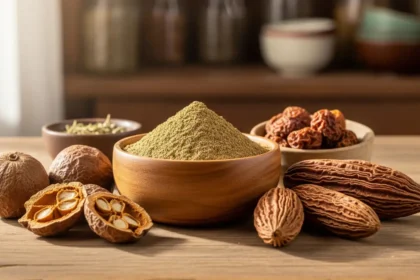


When a persistent dry cough settles into your chest like an unwelcome visitor, disrupting your sleep and leaving your throat raw, nature offers gentle yet powerful healing wisdom that has been trusted for thousands of years.
A lingering dry cough can feel particularly frustrating because, unlike a productive cough that clears mucus, it seems to serve no purpose while leaving you exhausted and irritated. Ayurvedic medicine understands this type of cough as more than just a symptom—it’s a sign that your body’s natural balance has been disrupted, particularly involving the Vata dosha, which governs movement and dryness in your system.
Understanding Your Persistent Cough
In Ayurvedic understanding, a dry cough that lingers typically indicates Vata imbalance combined with weakened immunity. This explains why simple cough suppressants often provide only temporary relief—they address the symptom without touching the underlying imbalance that’s keeping your cough active.
Vata-type dry coughs are characterized by their irregular, spasmodic nature. You might notice the cough worsens in the evening or early morning, gets triggered by talking or temperature changes, and feels harsh and scraping. The deeper imbalance often involves your respiratory channels becoming hypersensitive to irritants like dry air, stress, or lingering inflammation from previous infections.
Essential Remedies for Deep Healing
Honey: Nature’s Golden Throat Soother
Raw honey stands as perhaps the most universally effective remedy for dry coughs. Unlike processed honey, raw honey contains live enzymes, propolis, and bioactive compounds that work together to heal irritated throat tissues. Honey’s thick consistency creates a protective film over your throat, reducing the nerve sensitivity that triggers the cough reflex while drawing moisture to rehydrate dry, irritated tissues.
How to use therapeutically: Take 1-2 teaspoons of raw honey slowly, allowing it to coat your throat before swallowing. Take it 20-30 minutes before meals and at bedtime for maximum benefit. For enhanced effectiveness, mix 1 teaspoon honey with ½ teaspoon fresh ginger juice and a tiny pinch of black pepper.
Yashtimadhu (Licorice Root): The Sweet Respiratory Healer
Licorice root (Glycyrrhiza glabra), known as Yashtimadhu meaning “honey-like wood,” has been treasured for over 4,000 years for throat and lung conditions. Its primary compound, glycyrrhizin, provides powerful anti-inflammatory effects that specifically target respiratory tissues, while flavonoids and saponins soothe hypersensitive nerve endings that trigger cough reflexes.
Traditional preparation: Simmer 1 teaspoon dried licorice root in 2 cups water for 15 minutes, creating a naturally sweet tea you can sip throughout the day. Safety note: Avoid prolonged use if you have high blood pressure, heart conditions, or kidney problems.
Tulsi (Holy Basil): The Sacred Respiratory Protector
Holy Basil (Ocimum tenuiflorum) contains unique compounds including eugenol, ursolic acid, and rosmarinic acid that make it particularly effective for persistent coughs. Its adaptogenic properties help manage stress that often perpetuates chronic coughs, while anti-inflammatory compounds directly soothe irritated respiratory tissues.
Fresh preparation: Chew 5-10 fresh Tulsi leaves slowly, allowing juices to coat your throat. For Tulsi tea, simmer 1 tablespoon fresh leaves (or 1 teaspoon dried) in 2 cups water for 10 minutes. Drink warm 2-3 times daily, adding honey if desired.
Quick Reference Remedy Guide
| Remedy | Best For | How to Use | Timing |
|---|---|---|---|
| Raw Honey | Immediate throat coating | 1-2 tsp slowly | Before meals & bedtime |
| Licorice Tea | Anti-inflammatory relief | 1 tsp root in 2 cups water, simmer 15 min | Throughout day |
| Tulsi Tea | Stress-related coughs | 1 tbsp fresh leaves, simmer 10 min | 2-3 times daily |
| Ginger Tea | Warming circulation | 1 tbsp grated ginger, simmer 10 min | Morning & evening |
| Turmeric Milk | Nighttime healing | ½ tsp turmeric in warm milk | Before bed |
Powerful Warming Spices
Ginger (Zingiber officinale) provides warming, circulation-enhancing medicine particularly valuable for Vata-type coughs. Fresh ginger contains gingerol, while dried ginger has more shogaol—both provide anti-inflammatory effects, but shogaol is more warming and penetrating for stubborn coughs.
Fresh ginger preparation: Grate 1 tablespoon fresh ginger and simmer in 2 cups water for 10 minutes. Add honey and lemon for enhanced taste and therapeutic effect.
Black pepper (Piper nigrum) enhances the absorption and effectiveness of other herbs while providing warming, circulation-stimulating effects. Mix a tiny pinch of freshly ground black pepper with honey and take slowly, allowing it to coat your throat.
Turmeric (Curcuma longa) offers powerful anti-inflammatory compounds that work systemically to reduce respiratory irritation. Golden milk preparation: Warm 1 cup milk with ½ teaspoon turmeric, pinch of black pepper, and honey to taste. Drink before bed for overnight healing.
Steam Therapy for Immediate Relief
Steam inhalation provides immediate moisture to dry respiratory passages while delivering therapeutic compounds directly where they’re needed. The warm, humid air helps rehydrate dried mucous membranes and carries volatile healing compounds throughout your respiratory system.
Basic steam method: Bring 4 cups water to boil in a wide bowl. Add fresh Tulsi leaves, eucalyptus, or a few drops of eucalyptus oil. Drape a towel over your head, lean over the bowl (maintaining safe distance), and inhale steam for 10-15 minutes.
Enhanced herbal steam: Combine fresh Tulsi leaves, small piece of fresh ginger, and pinch of turmeric for a powerfully healing vapor that addresses both inflammation and infection.
Supportive Dietary and Lifestyle Practices
Your food choices significantly impact your body’s ability to heal from persistent coughs. Warm, nourishing foods support digestive fire while providing building blocks for tissue repair and immune function.
Healing foods include: Warm soups and broths, cooked grains like rice and oats, steamed vegetables with warming spices, and herbal teas. Foods to avoid: Cold drinks, excessive dairy (which can increase mucus in some people), processed foods, and raw/cold foods that can dampen digestive fire and increase Vata.
Sleep positioning helps reduce nighttime coughing—elevate your head and chest with extra pillows. Humidity management becomes crucial; use a humidifier or place water bowls near heat sources to combat dry air that perpetuates throat irritation.
Creating Your Daily Healing Protocol
| Time | Practice | Purpose |
|---|---|---|
| Morning | Warm lemon water with honey, ginger tea | Gentle throat coating, circulation boost |
| Throughout Day | Sip warm herbal teas, honey as needed | Continuous moisture and healing compounds |
| Evening | Steam inhalation, turmeric milk | Deep respiratory care, overnight healing |
| Bedtime | Keep honey bedside | Quick relief for night coughing episodes |
Duration expectations: Most persistent dry coughs show improvement within 3-5 days of consistent natural treatment, with significant relief typically occurring within 1-2 weeks. However, coughs present for months may require several weeks of consistent treatment.
When to Seek Additional Support
While natural remedies effectively address most persistent dry coughs, certain situations warrant professional attention. Seek medical care if your cough accompanies high fever, difficulty breathing, chest pain, or if you’re coughing up blood.
Chronic coughs lasting more than 8 weeks may indicate underlying conditions like asthma, acid reflux, or other medical issues requiring professional diagnosis. Natural remedies complement medical treatment but shouldn’t replace necessary medical care.
The Wisdom of Patient Healing
Healing a persistent dry cough requires patience and consistency rather than seeking immediate suppression. Unlike pharmaceutical suppressants that block cough reflexes, natural remedies work by healing the underlying irritation and imbalance causing your cough.
This means improvement may not be instant, but the relief you experience tends to be more lasting and complete. As your throat tissues heal and constitutional balance improves, you become less susceptible to future respiratory irritations and recover more quickly when you encounter them.
Your body has remarkable healing wisdom built into every cell. These ancient remedies support and enhance your natural healing capabilities rather than overriding them. With patience, consistency, and respect for your body’s healing timeline, that stubborn dry cough can transform from frustration into a teacher about the importance of balance, self-care, and the profound healing power within you.
Medical Disclaimer : The content on this Site is for informational purposes only and is not intended to be a substitute for professional medical advice, diagnosis, or treatment.Always seek the advice of your physician or another qualified health provider with any questions you may have regarding your health or a medical condition.Never disregard professional medical advice or delay in seeking it because of something you have read, seen, or interpreted on this website. If issues persist or worsen, definitely check with a healthcare provider who can help you address any underlying concerns.