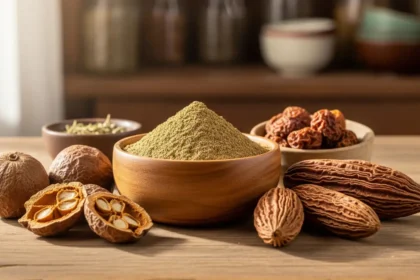


When spring arrives with its promise of renewal, it shouldn’t also bring the burden of sneezing, watery eyes, and congestion. Ancient Ayurvedic wisdom offers gentle, time-tested approaches to help your body find harmony with the changing seasons instead of fighting against them.
Seasonal allergies affect millions of people each year, turning what should be beautiful transitions into periods of discomfort and frustration. While modern medicine often focuses on suppressing symptoms, Ayurveda takes a different approach—understanding allergies as a sign that your body’s natural balance has been disrupted and working to restore that equilibrium from within. Rather than simply blocking histamine receptors, this ancient system helps your body remember how to respond appropriately to environmental changes.
Understanding Allergies Through Ayurvedic Eyes
In Ayurvedic philosophy, seasonal allergies aren’t just random reactions to pollen or environmental changes. They represent an imbalance in your body’s fundamental energies (doshas), combined with the accumulation of ama (toxins) and weakened ojas (vital immunity). This perspective helps explain why some people sail through allergy season while others struggle with every blooming tree and grass.
Kapha-dominant allergies are the most common type, typically occurring in spring when Kapha naturally accumulates in the body. These manifest as heavy congestion, thick mucus production, sinus pressure, and that feeling of heaviness in your head and chest. The excess moisture and coolness of Kapha creates the perfect environment for allergens to take hold and multiply their effects.
Vata-type allergies often appear during dry, windy weather and are characterized by frequent sneezing, dry cough, headaches, and itchy, watery eyes. The light, dry, and mobile qualities of Vata make you more sensitive to airborne particles, and symptoms tend to be more erratic and changeable than other types.
Pitta allergies are less common but can be intense, involving burning sensations in the eyes and throat, skin rashes, yellow-tinged nasal discharge, and inflammatory reactions. These typically worsen during hot weather or when you’re already feeling overheated or stressed.
Foundational Approaches: Strengthening From Within
Building Your Digestive Fire
Before addressing specific allergy symptoms, Ayurveda emphasizes the importance of agni—your digestive fire. When agni is weak, food isn’t properly digested and converted into nutrients, instead creating ama (toxins) that circulate throughout your body and compromise your immune response.
Warming spices are your allies in building digestive strength. Ginger (Zingiber officinale) is particularly powerful—its active compounds, including gingerol and shogaol, stimulate digestive enzymes while providing anti-inflammatory benefits that directly combat allergic responses.
Daily ginger preparation: Start your day with fresh ginger tea by simmering a 1-inch piece of peeled fresh ginger in 2 cups of water for 10 minutes. The warming effect helps kindle your digestive fire while the anti-inflammatory compounds begin working systemically to reduce your body’s tendency toward allergic reactions.
Nasal Cleansing: The Ancient Art of Jal Neti
Nasal irrigation using a neti pot is one of the most effective Ayurvedic practices for managing seasonal allergies. Known as Jal Neti in yogic traditions, this practice mechanically removes allergens, excess mucus, and inflammatory particles from your nasal passages while supporting the natural cleansing functions of your respiratory system.
Proper technique: Use only sterile, distilled, or previously boiled water mixed with non-iodized salt—approximately ¼ teaspoon of salt per cup of water. The water should be warm but not hot, roughly body temperature. Tilt your head to one side over a sink and gently pour the saline solution into the upper nostril, allowing it to flow through your nasal cavity and out the lower nostril.
Timing: Practice neti in the morning before breathing exercises, and in the evening after spending time outdoors during high pollen days.
Powerful Herbal Allies for Allergy Relief
Turmeric: The Golden Anti-Inflammatory
Turmeric (Curcuma longa) stands out as one of nature’s most potent anti-allergy medicines. Its active compound, curcumin, works on multiple levels to combat allergic reactions—it prevents the release of histamine from mast cells, reduces inflammatory cytokines, and supports overall immune balance.
Enhanced absorption recipe: Warm 1 cup of milk (dairy or plant-based) with ½ teaspoon turmeric powder, a pinch of black pepper, a small piece of fresh ginger, and honey to taste. The black pepper increases curcumin absorption by up to 2,000%, while the fat in milk further enhances bioavailability.
Tulsi: The Sacred Respiratory Healer
Holy basil (Ocimum tenuiflorum), known as Tulsi, contains unique compounds including eugenol, rosmarinic acid, and various phenolic compounds that make it a powerful respiratory rejuvenator. Tulsi works as a natural expectorant, helping to thin and clear excess mucus from your respiratory passages while reducing the swelling and irritation that make breathing difficult.
Fresh Tulsi preparation: Make tea by steeping 10-12 fresh leaves in hot water for 5 minutes. If fresh isn’t available, dried leaves or Tulsi powder work well. Drinking Tulsi tea throughout the day helps maintain clear breathing and reduces the intensity of allergic reactions.
Yashtimadhu: The Throat Soother
Licorice root (Glycyrrhiza glabra), known as Yashtimadhu, has been used for over 4,000 years to treat respiratory conditions. Its active compounds, particularly glycyrrhizin and flavonoids, provide both immediate symptom relief and long-term respiratory support by coating and soothing irritated mucous membranes.
Preparation: Simmer 1 teaspoon of dried licorice root in 2 cups of water for 15 minutes. Strain and drink warm, or use as a gargle for sore, scratchy throats. Safety note: Avoid prolonged use if you have high blood pressure, heart conditions, or kidney problems.
Allergy Management by Type
| Allergy Type | Primary Symptoms | Best Remedies | Lifestyle Adjustments |
|---|---|---|---|
| Kapha (Spring) | Heavy congestion, thick mucus, sinus pressure | Ginger tea, warming spices, light foods | Reduce dairy, increase activity |
| Vata (Autumn) | Dry cough, frequent sneezing, itchy eyes | Sesame oil nasya, warm liquids | Stay hydrated, avoid cold foods |
| Pitta (Summer) | Burning eyes, skin rashes, inflammation | Coconut water, cooling herbs, aloe | Avoid spicy foods, stay cool |
Dietary Wisdom for Allergy Season
Your food choices during allergy season can either support your body’s natural defenses or contribute to increased inflammation and mucus production. Warm, cooked foods are easier to digest and less likely to create ama than cold, raw foods.
Foods to embrace include warm soups and broths, cooked grains, steamed vegetables with warming spices, and local honey. Raw, unprocessed honey from local sources may contain small amounts of local pollens that could help your body build tolerance over time.
Foods to minimize include cold, heavy foods that increase Kapha, dairy products (which can increase mucus production in sensitive individuals), and processed, sugary foods that create inflammation and suppress immune function.
Pungent foods like onions, garlic, and leafy greens naturally help clear congestion and provide quercetin—a natural antihistamine that helps stabilize mast cells and prevent excessive histamine release.
Supportive Daily Practices
Pranayama: Breath as Medicine
Breathing practices work directly with your respiratory system while calming your nervous system. Bhastrika (bellows breath) helps clear congestion by creating strong movement of air through your respiratory passages. Nadi Shodhana (alternate nostril breathing) balances your nervous system and reduces the stress response that often accompanies allergic reactions.
Oil Therapy for Protection
Nasya (nasal oil application) creates a protective barrier against airborne allergens. Apply 2-3 drops of warm sesame oil or ghee in each nostril before going outdoors during high pollen days. This traditional practice lubricates nasal passages and helps trap allergens before they can trigger reactions.
Abhyanga (self-massage with warm oil) supports nervous system balance while improving circulation and lymphatic drainage. Use sesame oil warmed to body temperature and massage your entire body before bathing, paying special attention to your head, neck, and chest.
Creating Your Personal Allergy Protocol
Daily Routine During Allergy Season
Morning routine: Neti pot cleansing, followed by ginger tea and breathing exercises to prepare your system for the day ahead.
Throughout the day: Sip Tulsi tea, use local honey as needed for throat comfort, and practice nasal breathing to filter air naturally.
Evening routine: Second neti pot session if needed, turmeric golden milk, and gentle self-massage if experiencing congestion.
Prevention Timeline
Start implementing changes 4-6 weeks before your typical allergy season begins to give your body time to build stronger defenses. Consistent daily practices work better than intensive treatments during acute episodes.
Week 1-2: Begin digestive strengthening with warming spices and proper food combinations
Week 3-4: Add nasal cleansing and herbal teas to your routine
Week 5-6: Incorporate stress management and breathing practices
During allergy season: Maintain all practices while adjusting intensity based on daily symptoms
When to Seek Additional Support
While Ayurvedic approaches are gentle and effective for many people, severe allergic reactions or asthma require professional medical attention. Signs that warrant medical care include difficulty breathing, severe wheezing, chest tightness, or allergic reactions that don’t respond to your usual management strategies.
Consider working with a qualified Ayurvedic practitioner if you want to explore deeper constitutional balancing or if your allergies involve multiple systems in your body. Many people find that combining natural approaches with appropriate medical care provides the most comprehensive support.
Embracing Seasonal Harmony
Seasonal allergies don’t have to define your relationship with nature’s cycles. Through understanding your unique constitution, supporting your body’s natural defenses, and using time-tested herbal allies, you can move through allergy season with greater comfort and resilience.
The goal isn’t to suppress your body’s responses but to help them become more balanced and appropriate. Your body has an innate wisdom about how to maintain health and balance. Ayurvedic approaches work with this wisdom, supporting your natural healing abilities rather than overriding them.
With patience and consistent care, many people find their seasonal sensitivities diminish over time as their overall health and constitutional balance improve. This creates lasting benefits that extend far beyond allergy season, contributing to your overall vitality and well-being throughout the year.
Medical Disclaimer : The content on this Site is for informational purposes only and is not intended to be a substitute for professional medical advice, diagnosis, or treatment.Always seek the advice of your physician or another qualified health provider with any questions you may have regarding your health or a medical condition.Never disregard professional medical advice or delay in seeking it because of something you have read, seen, or interpreted on this website. If issues persist or worsen, definitely check with a healthcare provider who can help you address any underlying concerns.