

When menstrual cramps feel like a monthly battle that leaves you curled up in pain and searching for relief, ancient Ayurvedic wisdom offers gentle yet powerful solutions that address not just the cramping but the deeper imbalances that make your cycles difficult and uncomfortable.
Menstrual cramps affect up to 90% of women of reproductive age, yet they’re often dismissed as something to simply endure. Ayurvedic medicine understands menstrual pain as Kastartava or Vataja Yonivyapat, primarily caused by Vata dosha imbalance affecting Apana Vata—the downward-flowing energy responsible for menstruation. This comprehensive approach addresses both immediate pain relief and long-term cycle regulation for lasting comfort.
Understanding Menstrual Cramps Through Ayurvedic Eyes
In Ayurvedic understanding, menstrual cramps primarily result from Apana Vata disturbance combined with accumulated Ama (toxins) in the reproductive system. This explains why cramps often worsen with stress, irregular eating, cold foods, or lifestyle factors that aggravate Vata dosha.
Vata-type cramps present as sharp, variable pain that moves around the pelvis, often with irregular flow, bloating, anxiety, and lower back pain. Pain typically worsens with cold weather, stress, or irregular schedules.
Pitta-involved cramps manifest as burning, intense pain with heavy bleeding, irritability, and heat sensations. These often worsen with spicy foods, hot weather, or emotional stress.
Kapha-type cramps involve dull, heavy pain with water retention, nausea, and sluggish flow. These typically include breast tenderness and emotional heaviness.
Powerful Herbal Allies for Menstrual Relief
Shatavari: The Women’s Friend
Shatavari (Asparagus racemosus), known as “she who has a hundred husbands,” stands as Ayurveda’s premier herb for female reproductive health. This cooling, nourishing herb balances hormones while strengthening reproductive tissues and reducing cramping pain.
Preparation: Mix 1 teaspoon Shatavari powder with warm milk and honey twice daily throughout your cycle. Regular use helps regulate cycles while reducing cramp severity.
Benefits: Hormone regulation, uterine strengthening, reduced inflammation, and improved emotional balance during menstruation.
Ashoka: The Sorrow Remover
Ashoka (Saraca asoca), literally meaning “remover of sorrow,” specifically targets uterine health and menstrual disorders. This astringent herb tones uterine muscles while reducing excessive bleeding and cramping pain.
Traditional use: Ashoka bark decoction (1 teaspoon powder in hot water) taken twice daily helps regulate heavy bleeding and intense cramps.
Applications: Particularly effective for heavy periods, severe cramping, and emotional disturbances during menstruation.
Ginger: The Warming Pain Reliever
Ginger (Zingiber officinale) provides powerful anti-inflammatory action that directly reduces prostaglandin production—the compounds responsible for menstrual cramping. Its warming energy helps move stagnant Vata while improving circulation to reproductive organs.
Fresh ginger tea: Simmer 1 tablespoon grated fresh ginger in 2 cups water for 10 minutes. Drink 2-3 times daily during menstruation for immediate cramp relief.
Enhanced preparation: Mix fresh ginger juice with honey and warm water for concentrated anti-inflammatory effects.
Essential Treatment Methods
| Cramp Type | Primary Herb | Supporting Treatment | Application |
|---|---|---|---|
| Vata (Variable) | Shatavari + Ginger | Warm oil massage, heating pad | Lower abdomen and back |
| Pitta (Intense) | Ashoka + Coconut water | Cool compresses, rest | Avoid heating treatments |
| Kapha (Heavy) | Ajwain + Hing | Light movement, warm teas | Gentle activity encouraged |
Therapeutic Oil Treatments
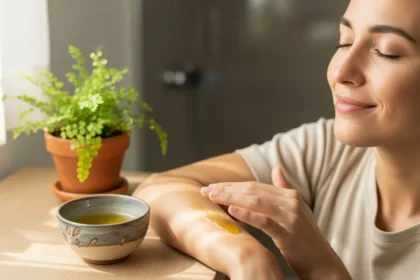
Sesame oil massage provides immediate relief by warming and nourishing reproductive organs while calming Vata dosha. Warm pure sesame oil and massage gently over lower abdomen, lower back, and inner thighs for 15-20 minutes before menstruation begins.
Enhanced oil preparation: Add a few drops of ginger essential oil to sesame oil for increased warming and anti-inflammatory effects.
Castor oil packs: Apply warm castor oil on a cloth over lower abdomen for 20-30 minutes (avoid during actual bleeding). This traditional therapy helps reduce inflammation and improve circulation to reproductive organs.
Specific Ayurvedic Formulations
Hing (Asafoetida) remedy: Mix a pinch of hing powder in warm water and drink twice daily. Its antispasmodic properties directly relax uterine muscles while improving digestion.
Ajwain (Carom seeds) tea: Boil 1 teaspoon ajwain seeds in water for 10 minutes. This warming spice reduces cramping while supporting healthy digestion during menstruation.
Turmeric golden milk: Mix ½ teaspoon turmeric with warm milk, honey, and a pinch of black pepper before bed. Curcumin’s anti-inflammatory properties help reduce pain while supporting restful sleep.
Dietary Support During Menstruation
Vata-pacifying foods during menstruation help prevent and reduce cramping by providing warmth, moisture, and grounding energy. Focus on warm, cooked foods like soups, stews, cooked grains, and warming spices.
Foods to embrace include warm milk with spices, cooked vegetables, ghee, dates, figs, and warming teas. Fenugreek seeds soaked overnight and consumed with the water help reduce cramping while providing iron support.
Foods to minimize include cold drinks, raw foods, caffeine, processed foods, and excessive salt—all of which can aggravate Vata and worsen cramping.
Hydration support: Drink warm water throughout the day rather than cold beverages. Herbal teas made with cumin, fennel, and coriander help reduce bloating while supporting digestion.
Lifestyle Practices for Menstrual Wellness
Rest and Movement Balance
Gentle rest during the first two days supports your body’s natural cleansing process while preventing Vata aggravation. Avoid strenuous exercise, but gentle walking or restorative yoga can help reduce cramping.
Supportive yoga poses: Child’s pose, gentle twists, and legs-up-the-wall pose help relax abdominal muscles while improving circulation to reproductive organs.
Heat Therapy
Heating pads or warm compresses provide immediate relief by relaxing uterine muscles and improving blood flow. Apply heat to lower abdomen and lower back for 15-20 minutes several times daily.
Warm baths with Epsom salt or ginger help relax the entire body while reducing cramping pain. Add a few drops of lavender oil for additional relaxation benefits.
Stress Management
Pranayama practice: Nadi Shodhana (alternate nostril breathing) helps balance hormones while calming the nervous system during menstruation.
Meditation and relaxation: Even 10 minutes of guided relaxation can significantly reduce pain perception while supporting hormonal balance.
Monthly Cycle Support Protocol
Pre-Menstrual Phase (Days 21-28)
- Begin Shatavari supplementation
- Increase warm, nourishing foods
- Practice daily oil massage
- Reduce stress and increase rest
During Menstruation (Days 1-5)
- Ginger tea for cramp relief
- Heat therapy as needed
- Gentle movement only
- Avoid cold foods completely
Post-Menstrual Recovery (Days 6-14)
- Continue supportive herbs
- Gradually increase activity
- Focus on iron-rich foods
- Maintain stress management practices
Timeline for Natural Relief
Immediate relief (within hours): Ginger tea, heat therapy, and oil massage provide rapid pain reduction during acute cramping episodes.
Short-term improvement (1-2 cycles): Regular herb use, dietary adjustments, and lifestyle practices typically reduce cramp severity and duration noticeably.
Long-term transformation (3-6 months): Consistent Ayurvedic practices create lasting hormonal balance, cycle regularity, and significant reduction in menstrual discomfort.
When to Seek Professional Support
While Ayurvedic approaches effectively address most menstrual cramps, seek medical attention for severe pain that interferes with daily activities, sudden changes in menstrual patterns, or symptoms suggesting underlying conditions like endometriosis.
Consider Ayurvedic consultation for complex menstrual disorders, fertility concerns, or if you want specialized treatments like Panchakarma detoxification that addresses deeper reproductive health imbalances.
Embracing Your Natural Rhythm
Healing menstrual cramps through Ayurveda means honoring your body’s natural rhythms while addressing the constitutional imbalances that create monthly discomfort. Unlike pain medications that simply block pain signals, Ayurvedic approaches work by supporting your body’s natural hormonal balance and reproductive health.
Your menstrual cycle reflects your overall health and provides valuable information about stress levels, nutritional status, and lifestyle balance. These ancient practices help you develop sensitivity to your body’s needs while creating sustainable relief that improves not just menstrual comfort but overall vitality and well-being.
With patience and consistent care, most women find their cycles become more comfortable, regular, and manageable through natural means, transforming menstruation from a monthly struggle into a natural process that feels aligned and supported.
Medical Disclaimer : The content on this Site is for informational purposes only and is not intended to be a substitute for professional medical advice, diagnosis, or treatment.Always seek the advice of your physician or another qualified health provider with any questions you may have regarding your health or a medical condition.Never disregard professional medical advice or delay in seeking it because of something you have read, seen, or interpreted on this website.